




Sports Rehabilitation Guide: Treatments, Recovery Tips, and Injury Prevention
Whether you play cricket on weekends, train at a gym, run regularly, or compete professionally, an injury can quickly interrupt your routine. A twisted ankle, muscle strain, ligament injury, or recurring knee pain can affect not only performance but also everyday movement.
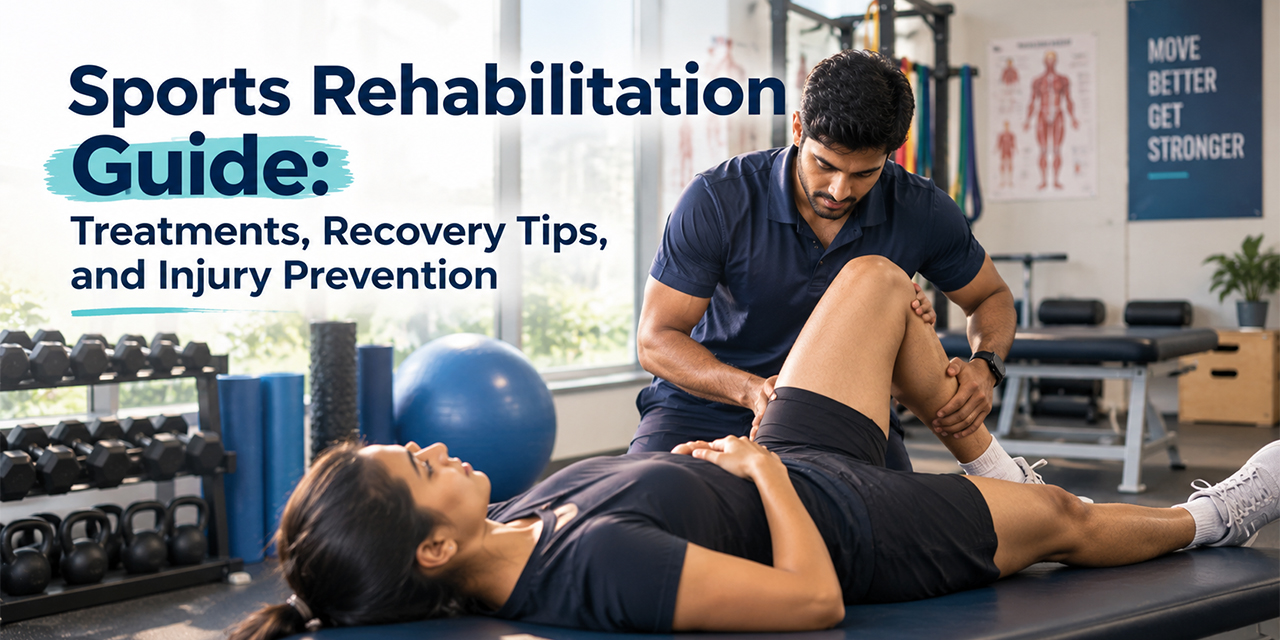
This is where sports rehabilitation in Mumbai can play an important role. Sports rehabilitation focuses on helping people recover from injuries, rebuild strength and movement, and gradually return to their usual activities. Rehabilitation is not simply about waiting for pain to disappear. It is about restoring function and preparing the body for the demands of the activity again.
What Is Sports Rehabilitation and Who Needs It?
Sports rehabilitation is a structured recovery process designed for athletes and active individuals after an injury or physical problem. It may involve physiotherapy, therapeutic exercises, mobility work, strength training, balance exercises, movement retraining, and sport-specific conditioning.
You may benefit from rehabilitation after injuries such as:
- Sprains and muscle strains
- Knee or ankle injuries
- Ligament injuries
- Shoulder problems
- Tendon injuries
- Fractures
- Sports-related overuse injuries
- Surgery followed by a rehabilitation programme
You do not necessarily have to be a professional athlete. Recreational runners, gym-goers, dancers, cyclists, and people who participate in weekend sports may also need rehabilitation.
The World Health Organization describes rehabilitation as a health service that helps people regain, maintain, or improve functioning after injury, illness, surgery, disability, or other conditions.
What Treatments Are Commonly Used in Sports Rehabilitation?
The exact treatment depends on the injury, your physical condition, and your goals. A rehabilitation professional may first assess your movement, strength, flexibility, pain, balance, and functional limitations.
Your programme may then include:
Therapeutic exercises: Targeted exercises can help rebuild strength and control around the affected area.
Mobility and flexibility work: These may help restore movement that has become restricted following an injury.
Balance and coordination training: Particularly useful after ankle, knee, or lower-limb injuries.
Strength and conditioning: Recovery should eventually prepare the body to handle the demands of your sport or activity.
Sport-specific exercises: Later stages may involve movements that resemble running, jumping, changing direction, throwing, or other activities required by your sport.
Rehabilitation programmes can involve a series of sessions, with the number depending on the individual's needs and condition.
How Long Does It Take to Recover From a Sports Injury?
There is no single recovery timeline for every sports injury.
A minor muscle strain may improve relatively quickly, while a ligament injury, fracture, or surgery can require a much longer rehabilitation programme. Your age, injury severity, previous injuries, fitness level, consistency with rehabilitation, and the demands of your sport can all influence recovery.
One important point is that feeling better does not automatically mean you are ready to return to sport.
For example, sports rehabilitation guidelines for ACL injuries consider factors such as pain and swelling, range of motion, stability, strength, functional performance, psychological readiness, and completion of sport-specific training before return to higher-level activity.
What Can Athletes Do to Speed Up Injury Recovery?
Instead of trying to rush recovery, focus on following the rehabilitation plan consistently.
Attend scheduled sessions, complete recommended exercises, allow adequate recovery time, and communicate if an exercise increases your symptoms. Avoid returning to intense training simply because you have started feeling better.
Nutrition, sleep, hydration, and sensible training progression also matter. Most importantly, follow the guidance of your healthcare and rehabilitation team rather than copying another athlete's recovery programme.
How Can Sports Injuries Be Prevented?
You cannot prevent every sports injury, but you can reduce avoidable risks.
Start training gradually, especially after a long break. Include appropriate warm-ups, strength and mobility work, and recovery days in your routine. Pay attention to recurring pain instead of repeatedly training through it.
Good technique and suitable equipment also matter. Coaches and trainers can help identify movement or training habits that may increase injury risk.
For athletes recovering from an injury, prevention also means addressing the factors that contributed to the original problem before returning fully to sport.
Choosing Sports Rehabilitation in Mumbai
If you are looking for sports rehabilitation in Mumbai, consider the professional's qualifications, experience with your type of injury, approach to rehabilitation, and whether they assess your individual goals rather than offering the same routine to everyone.
In Maharashtra, the Maharashtra State Council for Occupational Therapy & Physiotherapy provides registration-related services for physiotherapists, including permanent registration, provisional registration, and renewal.
A good rehabilitation plan should also have clear stages. The goal is not simply to get you through the next session, but to progressively rebuild your ability to perform everyday and sport-specific activities safely.
How MobiCrew Can Help
Sports rehabilitation is a professional healthcare service, while MobiCrew focuses on mobility and companion support.
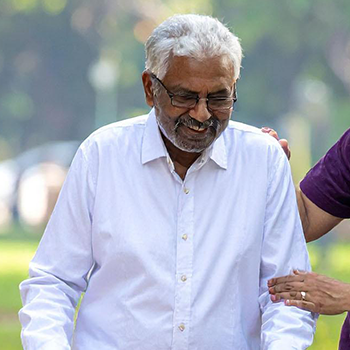
For athletes or families who need assistance travelling to appointments, getting around safely, or having someone accompany them during mobility-related journeys, MobiCrew can provide practical support alongside a person's existing rehabilitation plan.
Recovery can take time, but the right combination of professional guidance, consistent rehabilitation, sensible training, and patience can make the process more manageable.
Related

Get more caregiving guidance like this
Add MobiCrew as a preferred source to see our latest eldercare and mobility articles first in Google.
Add as preferred source