




Common Sports Injuries and the Role of Rehabilitation in Recovery
Sports injuries are more common than most people think — and they don't just happen to professional athletes. Weekend warriors, gym-goers, runners, and even people who play casual cricket on Sundays deal with injuries that, if not treated correctly, can affect movement for months or even years.

Understanding what causes these injuries and, more importantly, how rehabilitation fits into the recovery process can genuinely change outcomes.
What Are the Most Common Sports Injuries?
Whether you're into football, cricket, swimming, or strength training, certain injuries show up again and again:
- Ligament sprains — particularly in the ankle and knee, often from sudden changes in direction
- Muscle strains — hamstrings, calves, and quadriceps are frequent targets
- Stress fractures — caused by repetitive impact on bones, common in runners
- Rotator cuff injuries — shoulder pain that many gym-goers ignore until it becomes serious
- ACL and meniscus tears — among the more severe knee injuries, often requiring surgical intervention
- Shin splints — persistent pain along the lower leg, especially in new runners
- Lower back pain — frequently seen in weightlifters and people with poor posture during sport
According to the Indian Journal of Orthopaedics (https://www.springer.com/journal/43465), sports-related injuries are rising steadily in India, partly due to increased participation in fitness activities without adequate conditioning or warm-up.
Why People Get It Wrong After an Injury
The most common mistake is treating rest as recovery.
Rest helps in the acute phase — the first 24 to 72 hours — but it's only one part of the equation. Many people in Mumbai and across India rest for a few days, feel slightly better, and go straight back to the activity that caused the injury. That's when things go from bad to worse.
Re-injury in the same area, compensatory pain in surrounding joints, and long-term chronic discomfort are all consequences of skipping structured rehabilitation.
The Role of Rehabilitation in Sports Injury Recovery
Sports rehabilitation in Mumbai has grown significantly, and for good reason. A well-designed rehab programme doesn't just manage pain — it restores the body's ability to function the way it was meant to.
Rehabilitation typically progresses through stages:
- Pain and swelling management in the early phase
- Restoring range of motion through guided stretching
- Strength rebuilding, targeting both the injured area and surrounding muscles
- Proprioception and balance training to prevent re-injury
- Sport-specific drills to prepare the body for return to activity
- A gradual return-to-play protocol monitored by a physiotherapist
The National Health Service (https://www.nhs.uk/ and leading sports medicine experts globally agree that skipping rehabilitation significantly increases the risk of chronic injury and reoccurrence.
Why Mumbai's Lifestyle Makes This Even More Important
The city's pace doesn't leave much room for slow recovery. People push through pain, delay treatment, and often return to intense activity before they're truly ready.
Mumbai's heat and humidity can also mask pain signals during sport, making it easier to overlook an injury until it's already progressed. Combine that with uneven roads, crowded gyms, and limited access to good physiotherapy in certain parts of the city, and the risk of poor recovery goes up considerably.
Finding the right sport rehabilitation in Mumbai is the first and most important step.
When Recovery Affects Daily Movement
Sports injuries don't stay on the field. They follow you home.
Difficulty climbing stairs, getting in and out of vehicles, or managing long commutes — these are real daily challenges that injured people face. During this period, having the right mobility support can make a meaningful difference.
Mobicrew provides mobility assistance, trained support companions, and mobility products designed to help people navigate daily life during injury recovery. Whether you need help getting to your physiotherapy appointments or simply moving around more safely while you heal, MobiCrew has solutions built for exactly that.
- Explore MobiCrew's mobility support services: https://mobicrew.com/mobility-booking
- Browse mobility products and aids: MobiCrew Products
Recovery Is a Process, Not a Shortcut
Getting back to sport after an injury takes longer than most people want it to. But the athletes — professional or amateur — who respect the rehabilitation process are the ones who come back stronger and stay injury-free longer.
If you've been dealing with a sports injury and haven't started structured rehab yet, that's the single most important thing you can do today.
Related
-
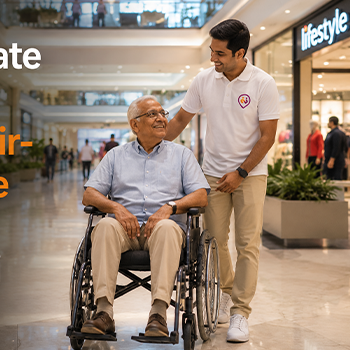
The Ultimate Guide to Wheelchair-Accessible Malls in Mumbai
-
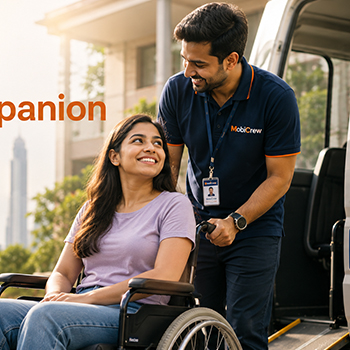
Is a Rs.500 Support Companion Booking Worth It? We Did the Math
-
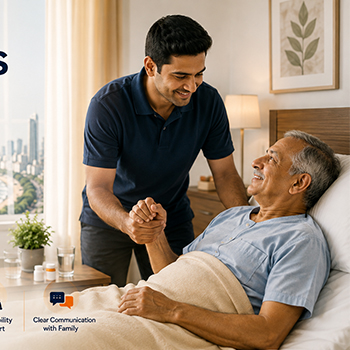
Top Qualities to Look for When Hiring a Care Taker in Mumbai for Post-Surgery Recovery
-

How to Buy a Folding Electric Wheelchair That Fits Your Lifestyle and Budget
-
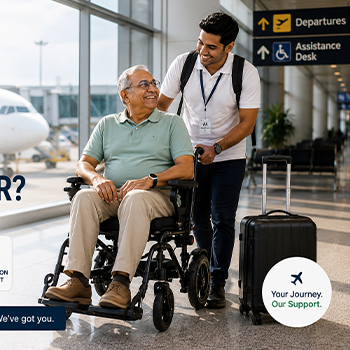
Can You Travel by Flight with a Folding Electric Wheelchair? Complete Guide
Get more caregiving guidance like this
Add MobiCrew as a preferred source to see our latest eldercare and mobility articles first in Google.
Add as preferred source