




Why Professional Guidance Matters When Buying Mobility Equipment
Walk into any medical equipment shop in Mumbai and you'll find rows of wheelchairs, walkers, commodes, and crutches — all with similar-looking features and varying prices. Browse online and the options multiply exponentially. For most families buying mobility equipment for the first time, the experience is genuinely overwhelming.
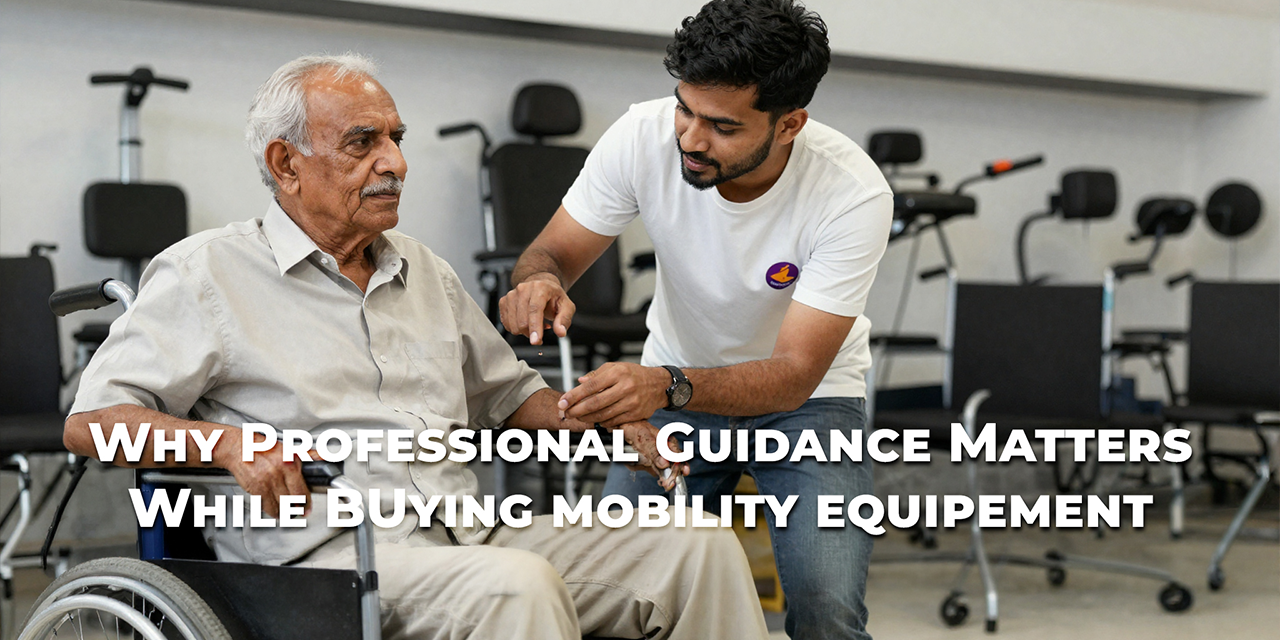
And the stakes are high. The wrong equipment doesn't just waste money — it can cause discomfort, restrict movement, or even contribute to falls and injury.
This is exactly why professional guidance matters more than most families realise.
The Problem With Buying Mobility Equipment Without Advice
Most people approach buying mobility equipment the same way they approach buying a household appliance. They look at price, check a few reviews, and make a choice based on what seems reasonable.
But mobility equipment is not a generic purchase. It needs to match:
- The specific medical condition and its stage
- The user's height, weight, and body proportions
- The environments where it will be used — home, outdoors, travel
- The user's strength, coordination, and cognitive ability
- Whether a caregiver will be assisting or the user will operate independently
Getting any of these wrong leads to equipment that doesn't get used — or worse, equipment that creates new problems.
Common Mistakes Families Make Without Professional Guidance
Buying a wheelchair that's the wrong width — too wide to fit through home doorways, or too narrow to provide proper support. Choosing a walker that's set to the wrong height, causing the user to hunch forward and strain their back. Purchasing an electric wheelchair with a battery range that doesn't match real-world usage needs. Selecting a commode chair without checking the weight capacity or seat height relative to the user's mobility level.
These aren't hypothetical errors. They're among the most common feedback received by rehabilitation specialists and mobility equipment providers across Mumbai.
What Professional Guidance Actually Looks Like
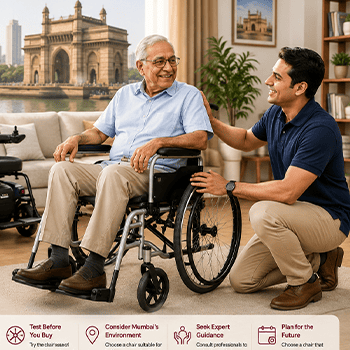
A physiotherapist or occupational therapist assesses the individual's physical condition, movement patterns, strength, and daily activity requirements before recommending specific equipment. This assessment takes into account not just what the person needs now but how their needs might change over the coming months.
The All India Institute of Physical Medicine and Rehabilitation (AIIPMR) in Mumbai is a leading centre where such assessments are conducted. Many private hospitals with rehabilitation departments — Hinduja, Kokilaben, Nanavati — also offer mobility assessments as part of their physiotherapy services.
For families who can't access in-person assessment immediately, many equipment providers now offer guided consultations where a trained advisor reviews the individual's condition and recommends appropriate products before purchase.
Why Buy Handicapped Equipment From a Specialist Provider
Not all mobility equipment sold in India meets consistent quality standards. Specialist providers who stock reputable brands and offer post-purchase support are significantly more reliable than generic medical stores or unverified online listings.
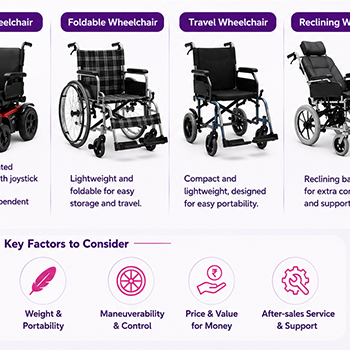
When buying mobility equipment — whether it's a wheelchair, walker, crutch, or home safety aid — look for:
- Products from established brands with service presence in India
- Clear specifications including weight capacity, dimensions, and warranty terms
- A provider who can answer specific questions about fit and usage
- After-sales support for maintenance or replacement of parts
MobiCrew stocks carefully curated mobility products from verified manufacturers, with guidance available to help families choose the right equipment for their specific situation.
- Browse mobility equipment: https://mobicrew.com/products/
- Explore wheelchair and mobility aid options: https://mobicrew.com/products?&productCategory=1
The Cost of Getting It Wrong
A poorly chosen mobility aid is not just an inconvenience. If it causes the user to avoid using it, they lose the independence the equipment was meant to provide. If it creates discomfort or safety risks, it can accelerate physical decline.
The right equipment, chosen with proper guidance, pays for itself many times over in improved quality of life, safety, and confidence.
Guidance Is Part of the Product
When you buy mobility equipment from a knowledgeable provider, the guidance that comes with it is as valuable as the equipment itself. Understanding how to set it up correctly, how to use it safely, how to maintain it, and when to consider upgrading — these are not optional add-ons.
They're what separates a useful purchase from an expensive mistake.
Get more caregiving guidance like this
Add MobiCrew as a preferred source to see our latest eldercare and mobility articles first in Google.
Add as preferred source