




Where to Buy Wheelchair Accessories in Mumbai: Tips for Finding Quality Products
A wheelchair is only as good as the accessories that go with it. A worn-out cushion, a stiff safety belt, or a caster wheel that keeps jamming can turn a simple outing into a frustrating one. If you're trying to buy wheelchair accessories in Mumbai for a parent, a spouse, or yourself, the sheer number of options across local medical stores and online marketplaces can get confusing fast. Here's how to sort through it and actually find products worth the money.

Start with what the person uses daily, not what looks impressive online. Seat cushions, armrest pads, footrest extensions, wheel locks, and safety belts are the accessories that see the most wear, so they deserve the most attention before anything decorative or "extra."
A pressure-relief cushion, for instance, matters far more for someone who spends long hours seated than a fancy new wheel design. The World Health Organization's guidelines on wheelchair provision (https://www.who.int/publications/i/item/9789241548466) note that proper seating and postural support directly affect comfort, skin health, and long-term mobility outcomes, which is a good reminder that accessories aren't cosmetic add-ons — they're part of the care itself.
Mumbai has a fair spread of specialty medical equipment stores, particularly around Dadar, Lower Parel, and Andheri, where you can physically check the fit and build quality of items like grip handles, anti-tip bars, or replacement caster wheels before buying. This matters more than people expect. A caster wheel that looks identical in a product photo might be the wrong diameter for an older wheelchair frame, and returns for medical equipment are rarely as simple as returning a pair of shoes. If you can visit in person, do it — otherwise, always check the exact model compatibility listed by the seller before ordering online.
When shopping online, stick to sellers who list clear specifications: weight capacity, material, dimensions, and compatibility with specific wheelchair brands. Vague listings that just say "universal fit" are worth double-checking with the seller directly. It also helps to look at accessories the same way you'd look at any assistive product — the Ministry of Social Justice and Empowerment's ADIP scheme (https://disabilityaffairs.gov.in/content/page/adip.php), which supports access to assistive devices for persons with disabilities in India, is a useful reference point for understanding what "quality" actually means in this category: durability, safety certification, and genuine usability, not just price.
Budget matters too, and it's fine to prioritize. Safety-related accessories — belts, brakes, anti-tip devices — shouldn't be where you cut corners, but items like decorative bags or cup holder attachments can wait if money's tight. If you're unsure what a specific wheelchair actually needs, it's worth asking a physiotherapist or the original equipment dealer rather than guessing from an online description.
If sourcing the right accessories feels like one more thing on an already long list, that's exactly the kind of everyday friction MobiCrew (https://mobicrew.com) exists to remove. Beyond curated mobility products (https://mobicrew.com/products/), MobiCrew also offers trained support companions who can accompany elderly or disabled individuals to appointments, errands, or outings, and wheelchair-accessible transport (https://mobicrew.com/both-form/others) for days when getting there is the hardest part. You can browse mobility products directly, or book a support companion (https://mobicrew.com/mobility-booking) if transport or day-to-day assistance is the bigger challenge right now.
Good accessories don't need to be expensive or complicated. They need to fit the person using them, hold up over time, and actually get used — not sit in a cupboard because they were the wrong size. Take the time to check specifications, buy safety essentials first, and lean on people who already know the space, whether that's a local dealer in Mumbai or a support system built for exactly this kind of day-to-day mobility need.
Related
-
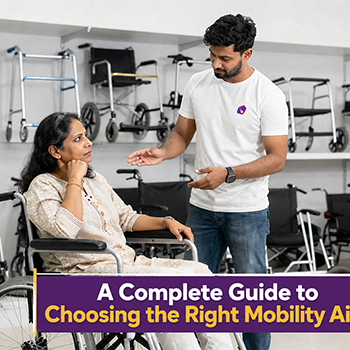
Buy Handicapped Equipment: A Complete Guide to Choosing the Right Mobility Aids
-

What Your Father Won't Ask For But Needs Right Now
-

Caregiver for Elderly Mumbai: Personal Care, Companionship, and Medical Support
-

The New Era of Help for People with Disabilities: From Support to Strength
-

Yoga and Movement - Why Every Body Deserves to Keep Moving