




Wheelchair Users and Ganesh Chaturthi: How Inclusive Are Mumbai’s Famous Pandals?
Ganesh Chaturthi is one of the few times when Mumbai feels like one enormous neighbourhood. Streets come alive, communities open their pandals, and families travel across the city for darshan. But for wheelchair users, elderly devotees, and people with limited mobility, the experience often depends on something less visible than the idol or decorations: how accessible is the journey from the road to the actual viewing area?
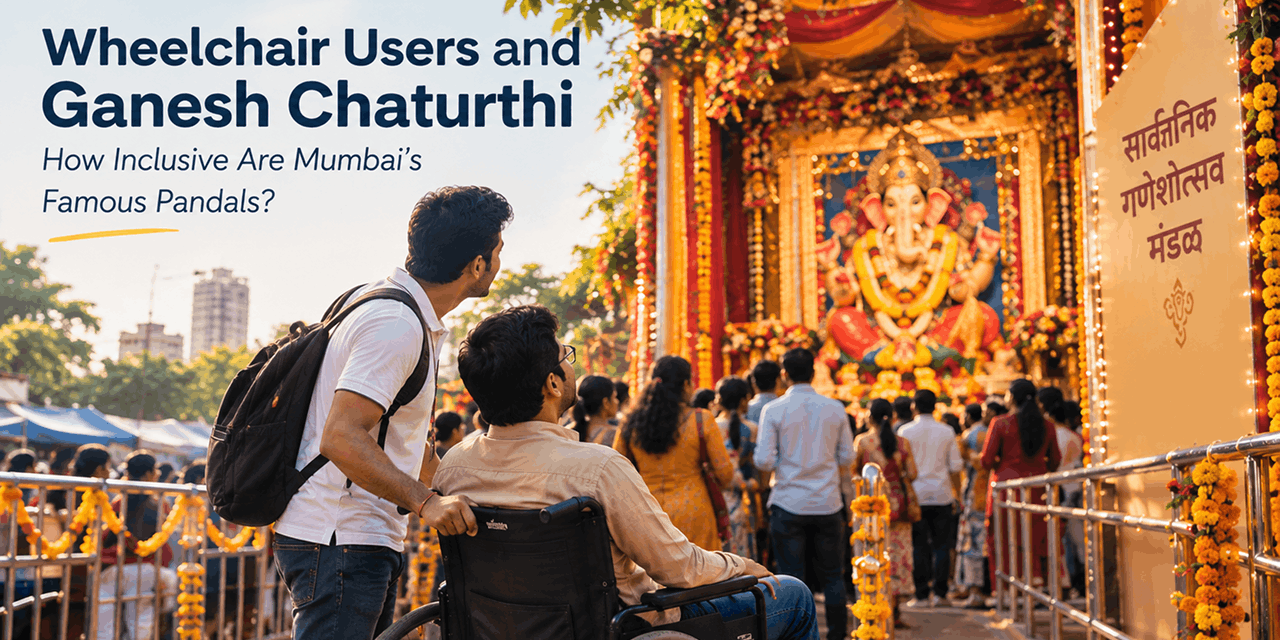
Mumbai’s Ganesh Chaturthi celebrations in 2026 run from 14 September to 25 September, with thousands of devotees expected to visit major pandals across the city. (Time Out Worldwide)
Is a pandal being “accessible” the same as being wheelchair-friendly?
Not necessarily.
A pandal may be located near a railway station or metro stop, but that does not automatically make the complete route accessible. The final stretch may involve narrow lanes, uneven pavements, barricades, crowds, steps, or a long queue without seating.
This distinction matters particularly in Mumbai, where major darshan routes can extend well beyond the pandal entrance. Current festival guidance also recommends checking the entire route, rather than assuming that a step-free station guarantees an accessible destination. (Roaming eSIM)
For a wheelchair user, accessibility should mean more than simply being able to reach the neighbourhood. It should include:
- A step-free entrance or suitable ramp
- Enough space to manoeuvre a wheelchair
- A practical viewing arrangement
- A manageable queue or alternative access
- A safe drop-off point
- Seating or rest opportunities for elderly visitors
- Clear information from the organisers before arrival
What about Mumbai’s famous pandals this year?
Popular names such as Lalbaugcha Raja, GSB Seva Mandal Ganpati, Andhericha Raja, and other major mandals are among the most visited destinations during Ganeshotsav 2026. (Time Out Worldwide)
However, families should avoid assuming that popularity equals accessibility. The biggest pandals often attract enormous crowds, and some darshan routes involve long walking distances or controlled queues. A useful current guide to Mumbai’s 2026 pandals explains how different queues, barricaded approach roads, and crowd patterns can significantly affect the experience. (My Ganapati)
At the time of planning, it is best to contact the specific mandal and ask directly:
“Is there a wheelchair-friendly entrance, and can a wheelchair user avoid the regular standing queue?”
That one question can save a family from arriving at a crowded entrance and discovering that the arrangements do not work for them.
Are smaller neighbourhood pandals sometimes a better option?
Often, yes.
The most famous pandal is not always the best pandal for every visitor. A smaller community celebration may offer a shorter route, fewer crowds, easier access, and a more relaxed experience. For an elderly parent who cannot stand for long periods, or someone who becomes uncomfortable in dense crowds, a nearby neighbourhood pandal may be a much better choice than spending several hours navigating a major darshan queue.
The goal should not be to visit the most famous location at any cost. It should be to enjoy the festival without making the experience physically exhausting or unsafe.
How can families plan a more accessible Ganpati darshan?
Before leaving home, check the weather, crowd timing, parking or drop-off arrangements, and the final walking distance. Early weekday visits are generally more manageable than peak evening hours, although families should still confirm the current arrangements with the organisers.
For elderly visitors, carry water, essential medication, and plan a rest break. For wheelchair users, confirm whether the wheelchair can remain with the person throughout the visit and whether the viewing area is genuinely usable.
Mumbai’s festival transport options are also expanding, with public transport services receiving additional attention during Ganeshotsav. But transport accessibility and pandal accessibility remain two separate questions. (ABP Live English)
Where does a companion make a difference?
Even when a pandal is technically accessible, the outing may still involve navigating crowds, uneven roads, waiting areas, transfers, and the journey back home. This is where a trained mobility companion can make the experience less stressful for both the visitor and their family.
MobiCrew helps families arrange trained companions who can support elderly people and people with mobility challenges during outings, appointments, and everyday travel.
Families can also explore MobiCrew’s companion booking service when planning support around a festival visit.
Ganesh Chaturthi is meant to bring people together. Making pandals more inclusive means ensuring that wheelchair users and elderly devotees are not merely allowed into the celebration, but can actually experience it with dignity, comfort, and independence.
Useful current reading
- Time Out Mumbai’s 2026 Ganpati Pandal Guide
- Mumbai City Breaks: Ganeshotsav 2026 Guide
- Mumbai Ganpati Pandals 2026 and Darshan Planning
- Mumbai Ganesh Chaturthi Travel and Accessibility Advice
Related
-
How Mobility Assistant Apps Improve Safety for Elderly Travel
-

How to Choose the Right Health Service Provider for Your Needs
-
Daily Responsibilities of an Elder Caretaker: What Families Should Know
-
What Is a Physical Therapist and How Do You Choose the Right One?
-
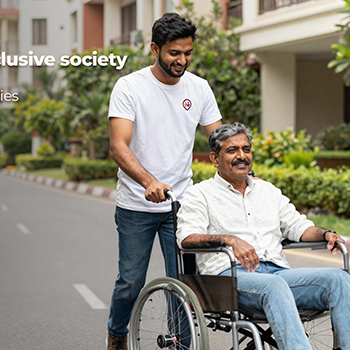
Building an Inclusive Society: Simple Ways to Help People with Disabilities
Get more caregiving guidance like this
Add MobiCrew as a preferred source to see our latest eldercare and mobility articles first in Google.
Add as preferred source