




Freedom on Wheels: The Importance of Accessible Mobility for Seniors in India
For many senior citizens, freedom is not about speed. It is about being able to step outside comfortably, visit family, attend appointments, enjoy a park, or simply move through the city with dignity.
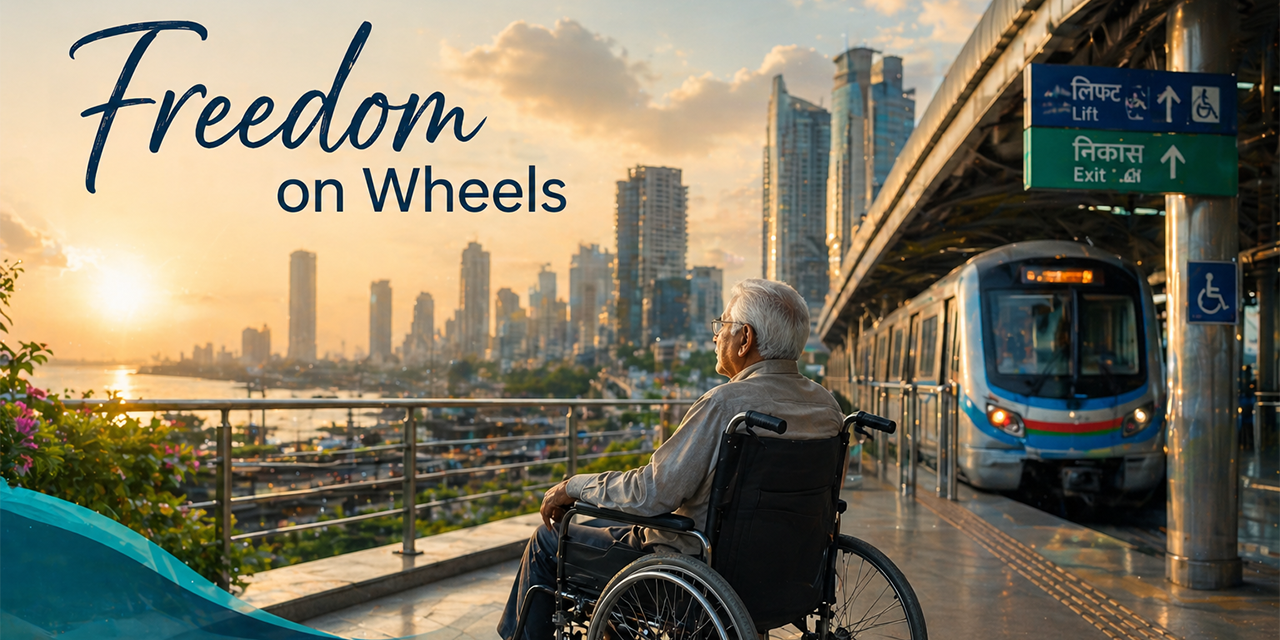
For many senior citizens, freedom is not about speed. It is about being able to step outside comfortably, visit family, attend appointments, enjoy a park, or simply move through the city with dignity.
That is why accessible mobility has become one of the most important conversations in India today.
As cities grow and families become busier, the need for safer, easier transport for seniors is increasing. Better infrastructure, smarter transport systems, and mobility support services are helping older adults stay active and independent.
For families looking after ageing parents, this shift matters more than ever.
Why mobility matters for seniors
Limited mobility can quietly reduce quality of life.
Many seniors begin avoiding outings because stairs feel unsafe, roads are crowded, public transport feels stressful, or they worry about falling. Over time, this can lead to social isolation, missed appointments, and declining confidence.
Accessible mobility changes that.
When movement becomes easier, seniors are more likely to:
- Attend doctor visits regularly
- Stay socially connected
- Maintain physical activity
- Feel emotionally positive
- Continue participating in daily life
Mobility is not just transport. It is independence.
Mumbai Metro and the shift toward accessibility
Mumbai has historically been a challenging city for seniors because of crowds, traffic, foot overbridges, and fast-paced commuting. But recent improvements through the Mumbai Metro network are beginning to change that.
Many metro stations now include lifts, escalators, ramps, tactile pathways, priority access features, and wheelchair-friendly movement routes. These upgrades are making travel smoother for elderly commuters and people with reduced mobility. (mumbaimetroroute.com)
Even newer projects like Metro Line 3 have focused on inclusive transit design and concessions for differently-abled passengers. (Free Press Journal)
While accessibility still needs stronger execution and maintenance in some places, the direction is positive. Better urban mobility is becoming part of Mumbai’s future.
Other Indian cities making progress
Mumbai is not alone.
Across India, public mobility systems are improving:
Nagpur Metro has reported thousands of assisted journeys for specially-abled passengers using ramps, elevators, tactile pathways, and trained station staff. (The Times of India)
Noida Metro connectivity projects are introducing air-conditioned skywalks with ramps, elevators, anti-slip flooring, and accessible movement between stations. (The Times of India)
Modern transport planning in India is slowly moving beyond roads and trains. It is starting to include people.
Where families still need help
Even with better infrastructure, one challenge remains: the full journey.
A metro station may have lifts, but how does a senior reach the station safely?
How do they manage hospital visits alone?
What if they need wheelchair assistance, support while walking, or someone to accompany them?
This is where families often struggle.
And this is where support services like MobiCrew become genuinely useful.
How MobiCrew helps seniors move freely
MobiCrew offers trained support companions who assist seniors with everyday travel and mobility needs.
This can include:
- Accompanying seniors to doctor appointments
- Helping with wheelchair movement
- Assisting during mall, temple, or family visits
- Supporting metro or cab travel
- Walking assistance during outings
- Safe companionship outside the home
For many families, the challenge is not willingness to help. It is availability, timing, and practical support. MobiCrew fills that gap with dependable human assistance.
Whether it is a hospital visit in Mumbai or an evening outing, support makes movement possible again.
What the future should look like
India’s senior population is growing. That means accessible mobility cannot remain a niche topic.
Cities need:
- Better footpaths
- More ramps and lifts
- Safer pedestrian crossings
- Inclusive public transport
- Reliable last-mile support
- Mobility services built for real families
Freedom should not end at retirement age.
Final thoughts
The true measure of a modern city is not how fast the young can move. It is how comfortably seniors can.
Mumbai Metro, newer transit systems, and evolving support services are signs of progress. But real accessibility happens when an elderly parent can leave home confidently, travel safely, and return smiling.
That is the freedom we should all be building.
And sometimes, all it takes is the right support beside them.
Related
-

How to Choose the Right Health Service Provider for Your Needs
-
Wheelchair Users and Ganesh Chaturthi: How Inclusive Are Mumbai’s Famous Pandals?
-
When You Can't Be There: Using a Mobile App to Arrange Care for Parents
-
Breaking Barriers: Why Urban Spaces Must Be More Wheelchair-Friendly
-
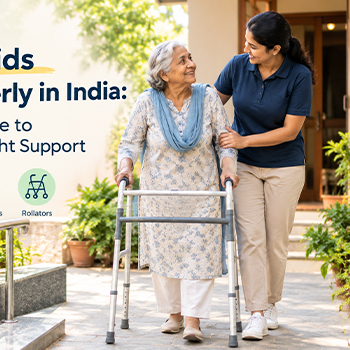
Mobility Aids for the Elderly in India: A Complete Guide to Choosing the Right Support
Get more caregiving guidance like this
Add MobiCrew as a preferred source to see our latest eldercare and mobility articles first in Google.
Add as preferred source