




The Mental Health Benefits of Socialising for Wheelchair Users
Social interaction is a fundamental aspect of human life that significantly impacts mental health and overall well-being. For wheelchair users, maintaining and fostering meaningful social connections can be especially important, as mobility and accessibility challenges may sometimes limit opportunities for engagement. Building relationships and participating in social activities not only provide emotional support but also create a sense of belonging, purpose, and fulfillment. Here are some of the key ways social interaction positively influences the mental health of wheelchair users.
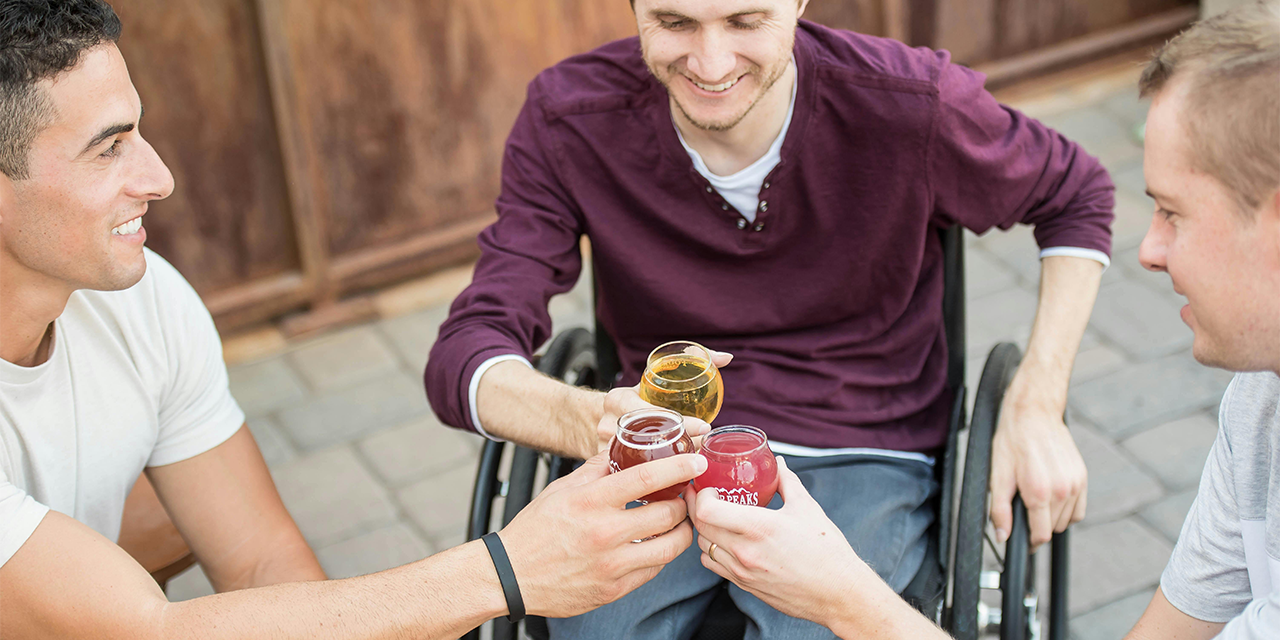
1. Reduces Feelings of Isolation and Loneliness
Isolation and loneliness can be common experiences for wheelchair users, particularly when mobility limitations make it difficult to participate in social activities. Regular interaction with family, friends, support groups, and community members helps reduce these feelings by creating opportunities for companionship and connection. Being part of a supportive network can significantly improve emotional well-being and reduce the negative effects of loneliness.
2. Enhances Emotional Support
A strong social network provides valuable emotional support during challenging times. Friends, family members, and peers can offer encouragement, understanding, and empathy when facing personal difficulties or health-related challenges. Feeling supported and understood helps individuals manage stress more effectively and contributes to greater emotional resilience.
3. Boosts Self-Esteem and Confidence
Positive social interactions can have a significant impact on self-esteem and confidence. Encouragement, recognition, and acceptance from others reinforce a sense of self-worth and personal value. For wheelchair users who may encounter societal misconceptions or personal insecurities, supportive relationships can help build confidence and encourage greater participation in social and community activities.
4. Promotes Mental Stimulation
Social engagement keeps the mind active through conversations, shared experiences, and participation in various activities. Whether discussing ideas, playing games, attending events, or joining group activities, social interaction provides mental stimulation that supports cognitive function and helps maintain mental sharpness. Engaging with others regularly can also reduce the risk of cognitive decline over time.
5. Encourages a Positive Outlook
Surrounding oneself with supportive and optimistic individuals can foster a more positive perspective on life. Social interactions often provide encouragement, inspiration, and new ways of thinking about challenges and opportunities. Positive relationships can help wheelchair users focus on their strengths, abilities, and goals rather than limitations, contributing to improved mental health and overall happiness.
6. Provides Opportunities for Learning and Growth
Socializing creates opportunities to learn from others and gain exposure to new ideas, experiences, and perspectives. Engaging with diverse groups of people can broaden understanding, enhance personal knowledge, and encourage personal growth. For wheelchair users, this may include discovering new adaptive technologies, learning accessibility tips, or finding new hobbies and activities that enrich daily life.
7. Facilitates Better Coping Mechanisms
Connecting with others who have faced similar challenges can be incredibly empowering. Social networks provide a platform for sharing experiences, exchanging advice, and discussing practical coping strategies. Learning how others navigate obstacles can inspire confidence and provide valuable tools for managing daily challenges more effectively, ultimately promoting emotional well-being and resilience.
8. Strengthens Community Ties
Being involved in a community fosters a sense of belonging and mutual support. Community engagement can take many forms, including participation in local clubs, organizations, volunteer groups, online forums, and social media communities. Strong community ties create access to resources, assistance, friendships, and shared experiences that contribute to improved mental and emotional health.
Conclusion
Social interaction plays a vital role in supporting the mental health and well-being of wheelchair users. It helps reduce feelings of isolation, provides emotional support, boosts self-confidence, encourages mental stimulation, and creates opportunities for personal growth. By nurturing relationships and actively engaging with supportive communities, wheelchair users can enhance their quality of life, strengthen their emotional resilience, and enjoy a greater sense of fulfillment. Embracing social connections can unlock countless benefits that contribute to overall wellness and a happier, more meaningful life.
Related
-

How to Find the Best Physical Therapist in Mumbai for Pain Relief and Recovery
-

Healthy Eating for Wheelchair Users
-

Expert Tips for Faster Recovery After a Sports Injury in Mumbai
-
Orthopedic Treatment vs Physical Therapy: Which One Should You Choose?
-
How Professional Caregivers Provide Essential Help for People with Disabilities
Get more caregiving guidance like this
Add MobiCrew as a preferred source to see our latest eldercare and mobility articles first in Google.
Add as preferred source