




How Professional Caregivers Provide Essential Help for People with Disabilities
When we talk about independence, we often picture someone doing everything on their own. But real independence doesn’t mean doing life alone. It means having the right support when you need it.
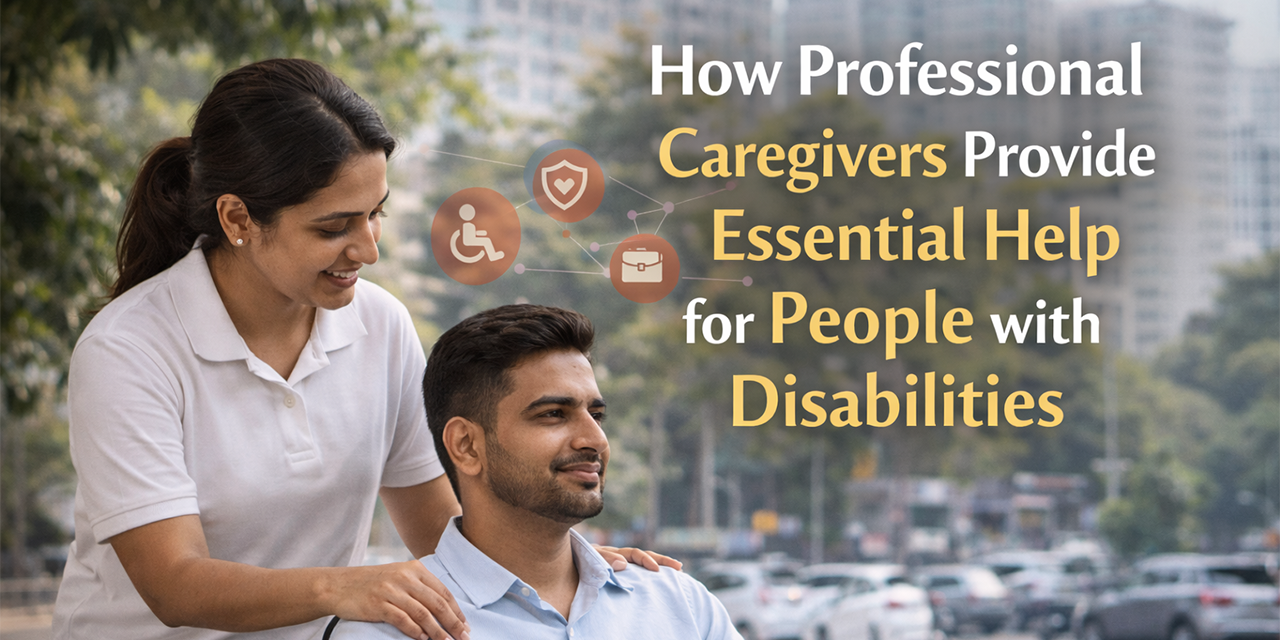
When we talk about independence, we often picture someone doing everything on their own. But real independence doesn’t mean doing life alone. It means having the right support when you need it.
For many families in Mumbai, finding reliable help for people with disabilities is not just about assistance. It’s about dignity, safety, confidence, and everyday freedom.
Professional caregivers play a powerful role in making that possible.
Support That Respects Dignity
Disability support is not about “doing things for someone.” It is about enabling someone to do things their way.
A trained caregiver understands this difference.
Whether it’s assisting with mobility, helping with transfers, supporting daily routines, or accompanying someone to work or social events, the goal is always the same: preserve independence while providing the right level of support.
In a fast-paced city like Mumbai, even simple activities — navigating footpaths, boarding public transport, attending appointments — can become overwhelming without assistance. Professional caregivers bridge that gap safely and respectfully.
Beyond Basic Assistance
True disability support goes beyond physical help.
Professional caregivers are trained to:
- Understand different mobility needs
- Assist wheelchair users safely
- Handle transfers with proper posture techniques
- Support individuals with neurological or muscular conditions
- Respond calmly in unexpected situations
It’s not just about strength. It’s about training, patience, and awareness.
Families often worry: “Will the caregiver understand my loved one’s specific needs?” That’s why structured training matters.
The Role of Training and Professional Standards
One major shift in Mumbai’s care ecosystem is the move from informal helpers to professionally trained support companions.
For example, at MobiCrew, caregivers go through structured onboarding and mobility-focused training before assisting clients. They are trained in safe wheelchair handling, assisted walking techniques, basic emergency response awareness, and respectful communication.
This makes a big difference.
Instead of feeling dependent, individuals feel supported. Instead of families feeling anxious, they feel reassured.
Professional caregivers also understand boundaries. They provide assistance without taking away autonomy.
Encouraging Social and Professional Participation
Disability should never mean isolation.
Professional caregivers make it possible for individuals to:
- Attend office meetings
- Go to college
- Visit parks or events
- Travel for medical appointments
- Participate in social gatherings
Sometimes, the barrier isn’t physical ability. It’s the lack of reliable support.
With proper help for people with disabilities, mobility becomes manageable. Daily life becomes less stressful. Opportunities feel accessible again.
Emotional Support Matters Too
While physical assistance is crucial, emotional comfort is equally important.
Caregivers who are trained professionally understand sensitivity. They know when to step in and when to step back. They encourage confidence without being overbearing.
Many individuals report feeling more secure stepping out when accompanied by someone who is trained, calm, and attentive.
That peace of mind changes everything.
Why Professional Care Is Better Than Informal Help
Families sometimes rely on untrained helpers or temporary assistance. While intentions may be good, lack of proper training can lead to:
- Unsafe transfers
- Risk of falls
- Poor wheelchair handling
- Physical strain on both the individual and the helper
Professional caregivers reduce these risks significantly.
They understand posture, balance, mobility aids, and the importance of consistency.
The Bigger Picture: Empowerment, Not Dependency
The conversation around disability in Mumbai is changing.
The focus is shifting from “care” to empowerment.
When someone has reliable support, they can focus on their goals — education, career, hobbies, relationships. Caregivers make participation possible. They don’t replace independence; they reinforce it.
Organisations like MobiCrew are contributing to this shift by providing structured, mobility-focused support companions designed specifically for urban challenges.
And that is where real progress begins — when support systems are built around dignity, safety, and freedom.
Final Thought
Professional caregivers provide more than assistance. They provide access.
Access to movement.
Access to opportunity.
Access to everyday life.
Because true independence isn’t about doing everything alone.
It’s about having the right support to live fully.
Related
-

Rollin' in the Greens.
-
The Mental Health Benefits of Socialising for Wheelchair Users
-

Physiotherapy vs Sports Rehabilitation in Mumbai: Whats the Difference?
-

Top Physical Therapy Clinics in Mumbai: How to Choose the Best One
-
How to Find the Best Physical Therapist in Mumbai for Pain Relief and Recovery
Get more caregiving guidance like this
Add MobiCrew as a preferred source to see our latest eldercare and mobility articles first in Google.
Add as preferred source