




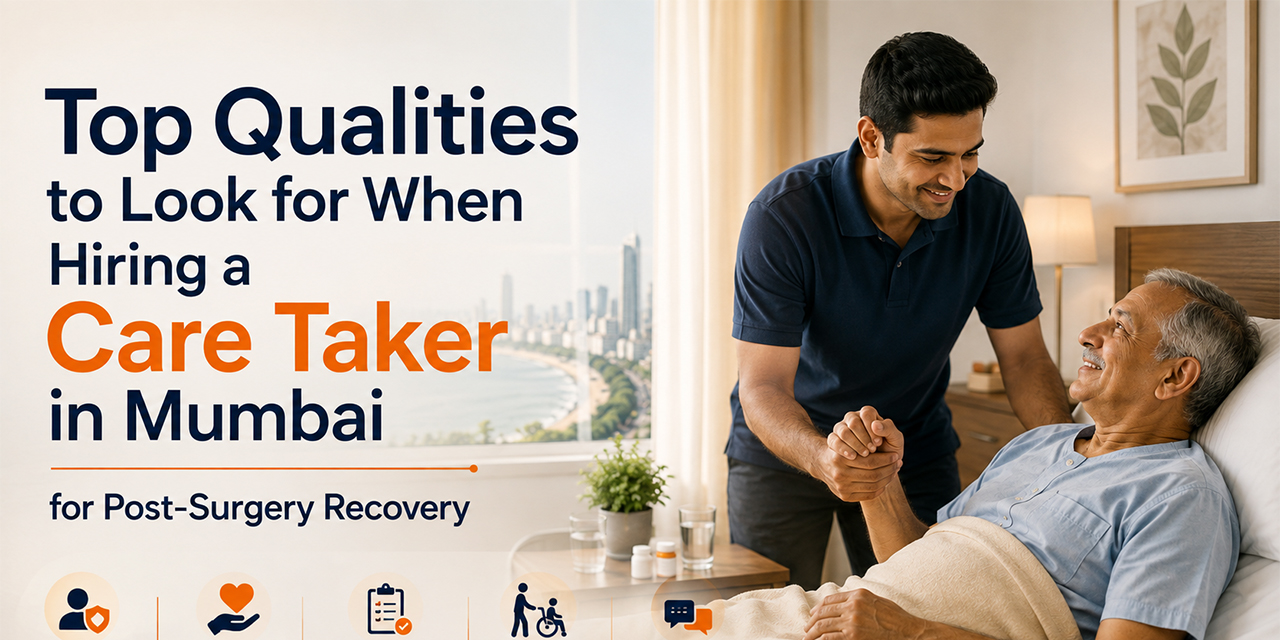
Top Qualities to Look for When Hiring a Care Taker in Mumbai for Post-Surgery Recovery
The first week after surgery rarely goes the way anyone plans. Even a routine procedure leaves someone weaker than expected, and suddenly a family is trying to figure out who's going to be there for wound checks, medication timing, and just getting from the bed to the bathroom safely. Hiring the right care taker in Mumbai during this window matters more than most families realise until they're actually in it.
Experience with recovery, not just general care
There's a real difference between someone who's comfortable with elderly companionship and someone who actually knows what post-surgery recovery looks like day by day. A care taker who's done this before will recognise normal soreness versus something that needs a doctor's attention, and know how to help with limited mobility without straining a healing incision. When you're evaluating caregiver services in Mumbai, ask directly about their experience with the specific type of surgery your family member had.
Patience that doesn't run thin
Recovery is slow, and it can be frustrating for the person going through it. A good care taker doesn't rush someone through exercises or get impatient when the same task takes three times longer than it should. This kind of patience isn't something you can train quickly. It tends to come from people who've genuinely done this work for a while and understand that healing has its own pace.
Comfort with basic medical routines
Post-surgery care usually involves medication schedules, sometimes wound monitoring, and keeping track of small changes that matter, like swelling, fever, or unusual pain. A care taker doesn't need to be a nurse, but they should be comfortable following a schedule precisely and know when something is outside their scope and needs to be flagged immediately.
Physical capability matched to the job
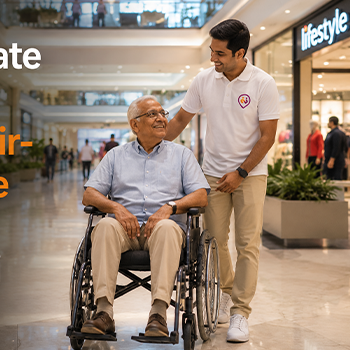
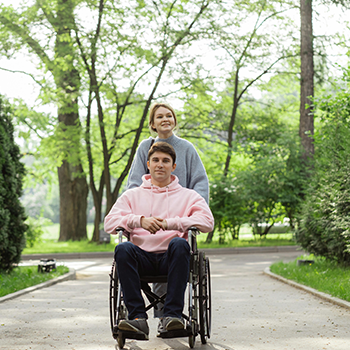
Helping someone transfer from a bed to a wheelchair, or supporting them during short supervised walks, requires a certain physical steadiness. This is worth asking about directly rather than assuming. Carers for elderly patients recovering from major surgery need to be capable of providing real physical support, not just company.
Clear communication with the family
The best arrangements are the ones where the care taker keeps the family genuinely informed, not just a quick "all is fine" but actual updates on how recovery is progressing, what's improved, and what's worth watching. This matters especially when family members can't be present every day.
Whether a care taker should be live-in or come for fixed hours depends entirely on the surgery and the person. Someone recovering from a major procedure who needs help through the night is a different situation than someone who mainly needs daytime support for a few weeks.
MobiCrew connects families in Mumbai with trained caretakers matched to the specific kind of support a recovery period actually needs, background verified and briefed on your situation before they ever walk through the door.
Frequently asked questions

Experience with recovery specifically, patience, comfort with medication schedules and basic monitoring, physical ability to assist with mobility, and clear communication with the family.
Most are trained in non clinical support, personal care, mobility assistance, and monitoring, rather than clinical nursing. If a recovery involves wound care or injections, that typically needs a nurse alongside the care taker.
Ask directly about the types of surgeries they've supported before, and how they handle common recovery challenges like limited mobility or medication timing.
It depends on how much support is needed and when. Major surgeries with overnight needs often call for live-in support, while lighter recoveries usually work fine with fixed daytime hours.
Vague answers about experience, no verification process, unwillingness to communicate regularly with the family, or discomfort with the specific mobility or medication needs of the patient.
Cost depends on hours needed, live-in versus fixed shift arrangements, and the complexity of care required. It's worth getting exact pricing confirmed upfront rather than estimating.
A care taker can support and encourage prescribed exercises and help with safe movement, but the exercise plan itself should come from a physiotherapist, not the care taker.
Get more caregiving guidance like this
Add MobiCrew as a preferred source to see our latest eldercare and mobility articles first in Google.
Add as preferred source