




How Accessible Homes Create Truly Independent Living
Imagine waking up and moving freely around your home without depending on anyone — that’s the real meaning of independence. For seniors and people with mobility challenges, home accessibility isn’t just a design trend; it’s the foundation of living with confidence and dignity.
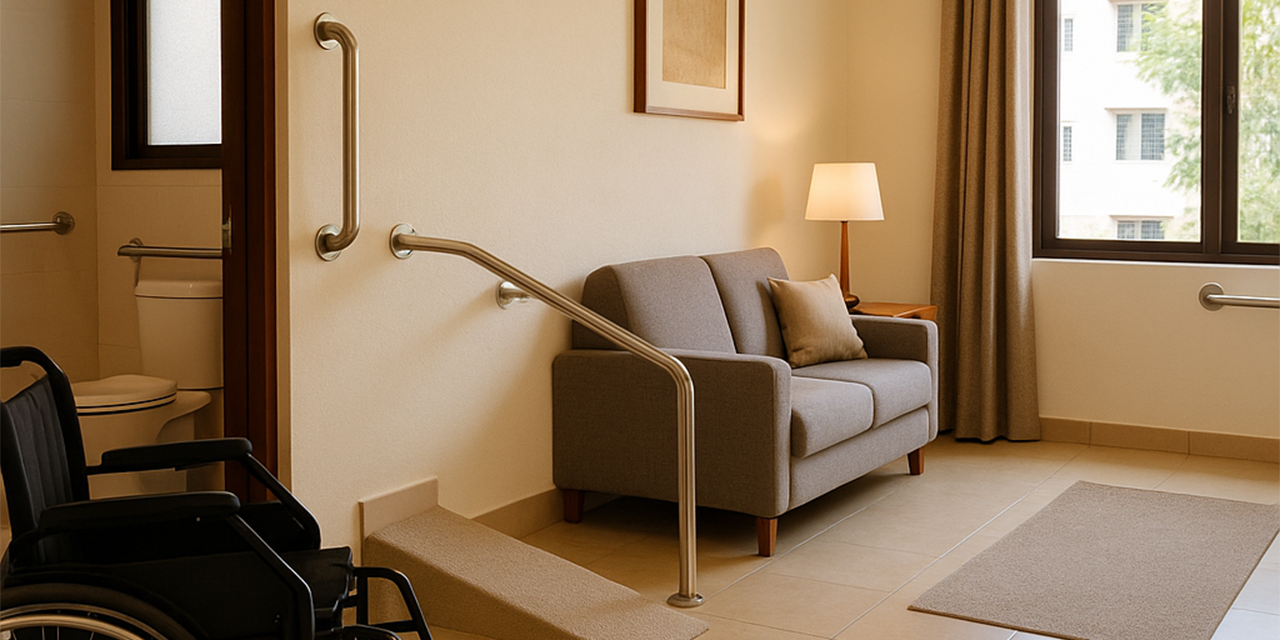
Imagine waking up and moving freely around your home without depending on anyone — that’s the real meaning of independence. For seniors and people with mobility challenges, home accessibility isn’t just a design trend; it’s the foundation of living with confidence and dignity.
Creating an accessible home means removing physical barriers and designing spaces that empower movement, comfort, and safety. In India, and especially in cities like Mumbai where apartments are often compact, this requires thoughtful planning and smart use of assistive solutions.
Why Accessibility Matters
Accessible homes allow residents to perform daily tasks — cooking, bathing, or simply getting to the door — without help. The World Health Organization highlights that accessible living spaces directly improve mental health, reduce dependency, and enhance physical safety.
With India’s aging population growing and urban homes becoming smaller, the need for inclusive design has never been greater.
Key Elements of an Accessible Home
1. Step-Free Entry and Easy Navigation
Eliminate steps at entrances by using gentle ramps or threshold bridges. Ensure doorways and hallways are wide enough for wheelchairs or walkers to pass comfortably.
2. Bathroom Modifications
The bathroom is one of the most accident-prone areas. Install grab bars, anti-slip mats, and foldable shower seats. For older adults, adding raised toilet seats can make a major difference.
3. Adjustable Furniture and Fixtures
Low-height beds, movable tables, and height-adjustable kitchen counters create ease for wheelchair users and seniors alike.
4. Lighting and Switch Accessibility
Use bright, glare-free lighting with switches placed at reachable heights. Smart automation can be life-changing for those with limited mobility.
5. Safe Flooring and Open Layouts
Avoid slippery tiles and cluttered furniture arrangements. Smooth, even flooring without thresholds between rooms ensures seamless movement.
Technology that Transforms Independence
Today’s smart homes integrate accessibility features effortlessly — from voice-activated lights to sensor-based doors and automated curtains. Even simple solutions like motion-sensor lighting can make homes safer for people with mobility issues.
In India, affordable assistive tech is becoming easier to find through services like MobiCrew, which provides customized mobility and accessibility solutions that fit local homes and lifestyles.
The MobiCrew Advantage
MobiCrew specializes in helping families adapt their homes for accessibility — from wheelchair ramps and bathroom aids to mobility equipment and home setup support. Their goal is simple: make independence possible for everyone.
Explore solutions here: https://www.mobicrew.com
Final Thoughts
An accessible home is not about luxury — it’s about freedom, safety, and peace of mind. It’s about creating a space where age or disability never stands in the way of living fully.
With thoughtful design, adaptive technology, and the right partners like MobiCrew, truly independent living isn’t a dream — it’s a decision you can make today.
Related
-

Wheelchair Users and Ganesh Chaturthi: How Inclusive Are Mumbai’s Famous Pandals?
-
Building an Inclusive Society: Simple Ways to Help People with Disabilities
-

Best Home Help Care Services in Mumbai for Elderly Support
-

The Future of In-Home Care: How Apps Are Making Elderly Care More Accessible
-

Sports Injury Prevention Strategies for Mumbai's Active Youth
Get more caregiving guidance like this
Add MobiCrew as a preferred source to see our latest eldercare and mobility articles first in Google.
Add as preferred source