




Geet Anu Chauhan : Inspiring Change
Discover how Geet’s journey into wheelchair basketball became a catalyst for independence and empowerment.
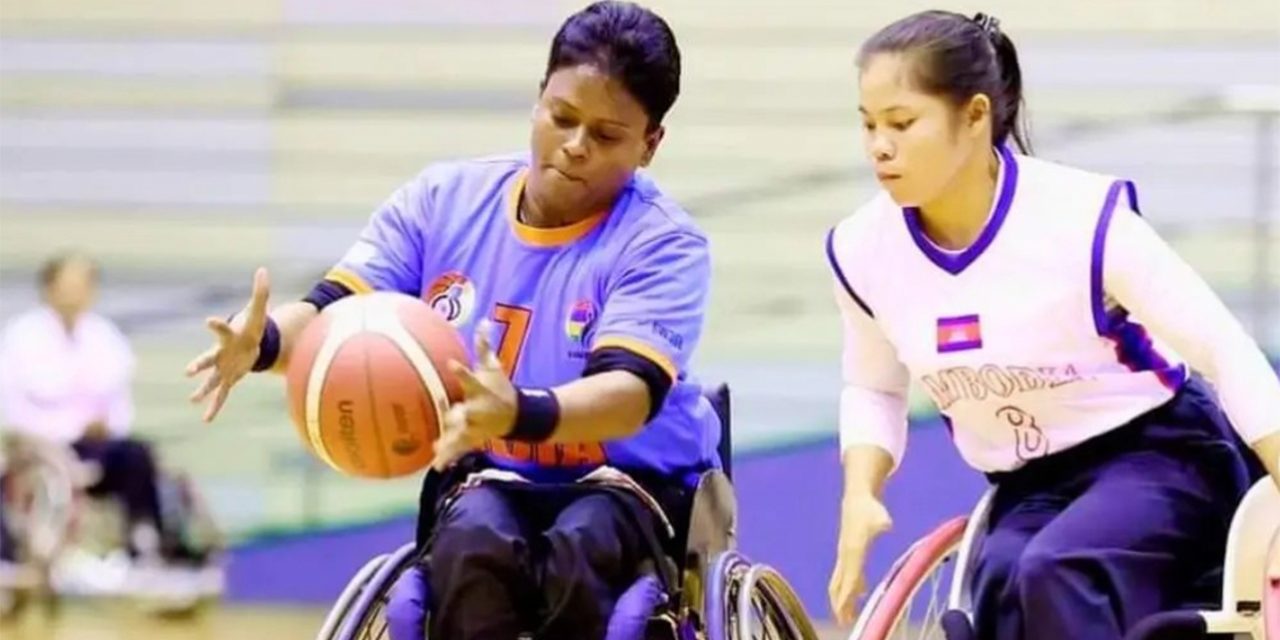
In India, where accessibility and inclusion for wheelchair users are still developing, sports can play a transformative role in fostering independence and confidence. This story sheds light on the journey of a remarkable individual who embraced wheelchair basketball, overcame numerous challenges, and now inspires others to pursue their passions despite societal obstacles.
Question: How Did You Get Into Wheelchair Basketball?
Answer: In 2017, my friend Ravi from Uttarakhand told me about a wheelchair basketball team being started in Mumbai, Maharashtra. At that time, I had never watched para sports and knew very little about them. I reached the ground, and there were two or three coaches. Honestly, I was scared of getting injured. However, I was intrigued and decided to join. I chose basketball because I wasn’t aware of other sports or para sports in general at the time.
Question: Advice for Aspiring Wheelchair Athletes?
Answer: First of all, it’s great if someone is thinking about getting into sports because it’s really beneficial for their health. Unfortunately, many people in wheelchairs either prefer staying at home, or their families discourage them from engaging in any activity. If a person decides to get into sports, it’s a positive step because staying at home can make them dependent. Once they start playing sports, they gain independence and can do things on their own. Personally, I travel around the world without needing a family member or anyone else to assist me—I can pursue my dreams independently.
Question: How Do You Stay Motivated Through Challenges?
Answer: As a woman, there are days when I feel less motivated, especially during my periods. Being in a wheelchair during that time is incredibly challenging—it’s hard to put it into words. But I push through it, get out there, and do what I need to do. There are countless excuses I could use, but I never let them stop me.
Question: What Are the Biggest Challenges for Wheelchair Users in India?
Answer: One of the biggest challenges is dependence on others, especially when it comes to income. I have friends who are not educated because of their disabilities—there was no one to take them to school or college. As a result, they became dependent and have no source of income. Their parents are supporting them now, but what will happen in the future? Everyone should start working, even if it’s from home, so they can identify and use their talents. Unfortunately, many stay at home, causing their talents to go unused.
When it comes to para sports, players often do not get access to grounds because management believes wheelchairs will damage the fields. However, that is not true. We travel internationally and use sports facilities abroad without any issues. In India, many organizations also assume wheelchair users cannot afford facility charges. Training grounds can cost ?10,000 to ?15,000 per day, and many athletes struggle to afford transportation to practice sessions. Traveling with sports equipment by train is difficult, while flights are often a more convenient but expensive option.
Question: What Can Be Done?
Answer: Changing this situation cannot be done by one individual alone—it requires a collective effort. I started the Mumbai Wheelchair Association with a friend, where we support individuals who are financially weak and want to participate in sports. We have partnerships with organizations such as the Lions Club and Rotary Club, which provide financial assistance and support athletes in need. Our goal is to help more people compete at international levels and eventually bring Olympic gold medals to our country.
Question: Do You See Any Positive Changes?
Answer: There is still a long way to go when it comes to accessibility in India. For example, in local trains, the gap between the train and platform is often large, and trains stop only briefly, making boarding and exiting extremely difficult for wheelchair users. Malls are generally accessible, along with some restaurants and banks. Even my own bank was inaccessible before the lockdown. I wrote several letters requesting accessibility improvements, and only recently did they install a ramp. Many people question the need for accessibility measures because they think only a few people require them. Internationally, wheelchair users travel and drive independently, whereas in India, accessing public spaces and even washrooms remains a challenge. While progress is happening, much more work is needed, and it will require a collective effort from society.
Conclusion
The journey into wheelchair basketball is about much more than sports. It is about breaking barriers, challenging societal perceptions, and advocating for greater accessibility and inclusion. Through determination, resilience, and community support, individuals with disabilities can pursue their dreams, achieve independence, and inspire others. Creating an inclusive environment where everyone has equal opportunities is a responsibility that belongs to all of us.
Related
-

From Doctor Visits to Movie Night : All the Ways MobiCrew Can Help You Move Freely.
-
Maahi Rude Inspiring Journey of a Multi-Talented Wheelchair User
-

Inclusion in Motion: What World Down Syndrome Day Teaches Us About Accessible Cities
-

How Caretaker Agencies in Mumbai Improve Quality of Life for Senior Citizens
-

Triumphing challenges
Get more caregiving guidance like this
Add MobiCrew as a preferred source to see our latest eldercare and mobility articles first in Google.
Add as preferred source