




Inclusion in Motion: What World Down Syndrome Day Teaches Us About Accessible Cities
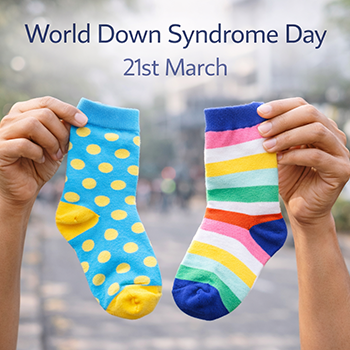
Every year on 21st March, people around the world observe World Down Syndrome Day. It is a day dedicated to celebrating individuals with Down syndrome, raising awareness, and encouraging societies to become more inclusive. While the day is often marked through community events and awareness campaigns, it also carries a deeper message about the kind of world we should be building: one where everyone can move, participate, and belong.
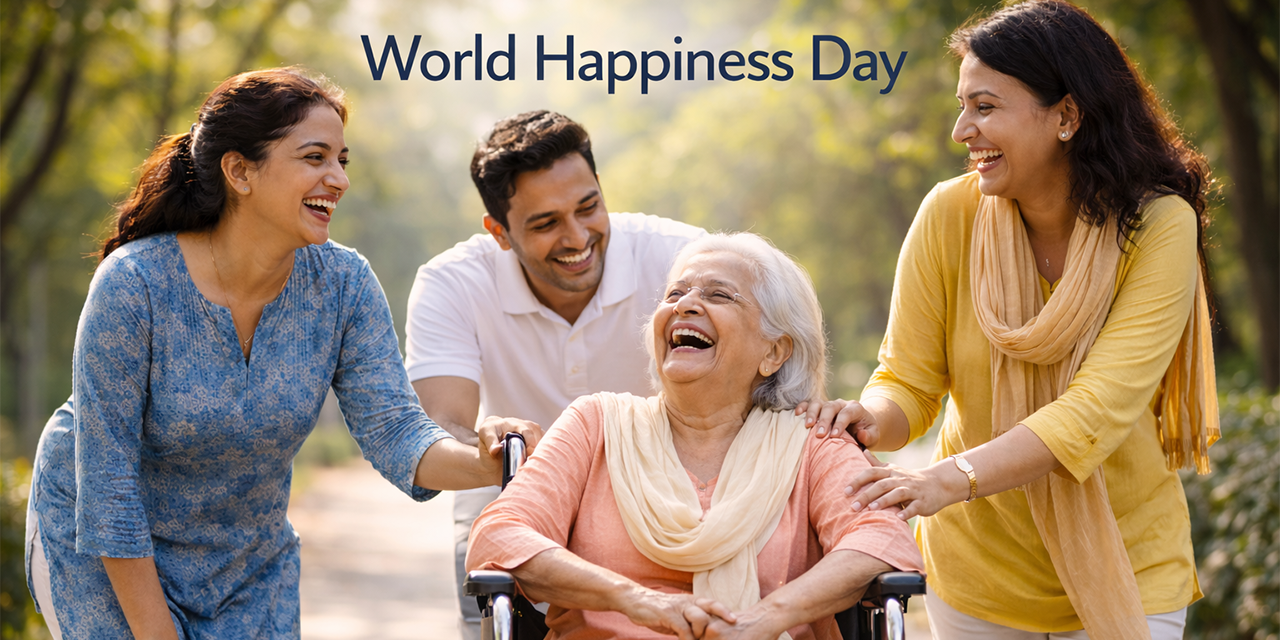
Every year on 21st March, people around the world observe World Down Syndrome Day. It is a day dedicated to celebrating individuals with Down syndrome, raising awareness, and encouraging societies to become more inclusive. While the day is often marked through community events and awareness campaigns, it also carries a deeper message about the kind of world we should be building: one where everyone can move, participate, and belong.
The date itself is symbolic. Down syndrome occurs when a person is born with three copies of chromosome 21 instead of the usual two. This condition is known as Trisomy 21. The date 21/3 represents these three copies of chromosome 21, which is why March 21 was chosen globally to recognize and celebrate individuals with Down syndrome.
Beyond awareness, World Down Syndrome Day reminds us of something fundamental: inclusion is not only about acceptance. It is about designing cities, systems, and services that allow people of all abilities to participate fully in daily life.
Accessibility Is a Shared Responsibility
In large cities like Mumbai, daily life depends heavily on mobility. People commute to work, visit parks, attend social events, go to school, and access healthcare. But for individuals with Down syndrome or other disabilities, navigating a busy city can sometimes be challenging.
Accessibility is often reduced to a few physical elements like ramps or elevators. While these are important, true accessibility goes much further. It includes safe sidewalks, accessible transportation, clear signage, supportive services, and environments where people feel comfortable moving independently.
When cities focus on accessibility, they create spaces that work better for everyone. Parents with strollers, seniors with walking sticks, people recovering from injuries, and individuals with disabilities all benefit from thoughtful urban design.
Mobility Creates Opportunity
Mobility is closely connected to opportunity. When individuals can move around their city easily, they gain access to education, employment, social gatherings, and cultural experiences.
For many people with Down syndrome, participation in everyday activities is an important part of building confidence and independence. Whether it is attending a community event, visiting a park, or meeting friends for an outing, the ability to travel comfortably and safely can make a significant difference.
Inclusive mobility allows individuals to explore their interests, connect with others, and feel like an active part of society rather than observers on the sidelines.
The Role of Supportive Services
While infrastructure plays a big role in accessibility, people and services also make cities more inclusive. Families often provide essential support, but external assistance can make everyday life much easier.
Mobility assistance services help bridge the gap between accessibility and independence. They provide trained companions who support individuals during travel, outings, and daily activities, ensuring that mobility challenges do not prevent participation in normal life.
One such service in Mumbai is MobiCrew, which offers trained mobility companions who assist people with limited mobility across the city. These companions help individuals navigate public spaces, travel safely, and attend appointments or social events without unnecessary stress.
Whether someone needs help visiting a doctor, attending a family gathering, or simply stepping out for a day in the city, this kind of support can make mobility more comfortable and reliable.
To learn more about their services, visit
https://mobicrew.com
Mobility companions can also be booked directly through
https://mobicrew.com/mobility-booking
A City That Moves Together
World Down Syndrome Day reminds us that inclusion is not a single action or policy. It is an ongoing effort to build environments where everyone feels welcome.
Accessible cities allow people with Down syndrome and other disabilities to participate fully in everyday life. They create opportunities for connection, independence, and confidence.
When mobility becomes easier, communities become stronger. By designing cities that support movement for everyone, we move closer to a world where inclusion is not just an idea but a lived reality.
Related
-
Maahi Rude Inspiring Journey of a Multi-Talented Wheelchair User
-
Geet Anu Chauhan : Inspiring Change
-

Inspiring Stories of Athletes with Disabilities: Breaking Barriers
-
Assisted Outings in Mumbai: Why Accessibility Is More Than Just Ramps
-
How Caretaker Agencies in Mumbai Improve Quality of Life for Senior Citizens
Get more caregiving guidance like this
Add MobiCrew as a preferred source to see our latest eldercare and mobility articles first in Google.
Add as preferred source